
Who's behind this

The Two Toms.

Two people who kept seeing the same pattern in companies scaling past 50 — and who got tired of watching good founders blame themselves for a structural problem.

Where this came from.

Tom Meloche helped co-found Menlo Innovations — the company Rich Sheridan later wrote about in Joy Inc. Menlo wasn't an accident. It was the result of designing the principles, the structure, and the ceremonies on purpose, and then defending them while the company grew.

Tom Bellinson spent decades inside software organizations watching the same thing fall apart from the inside — great people, good intentions, no system. He and Meloche started comparing notes and realized they were describing the same disease from two different angles.

They wrote the book they wished they'd had. Then founders started emailing. Then the same founders started asking for help putting the book into practice. That's how Intentional Culture ended up being a practice and not just a paperback.

Tom Meloche

Tom Meloche

Co-founder

Co-founder of Menlo Innovations and A2Agile. Co-author of Wildly Successful! Has trained more than 20,000 people in agile and team practices, mostly by refusing to be boring about it.

Direct, observational, and allergic to corporate jargon. The kind of person who notices the thing you've been avoiding and says it out loud in the meeting.
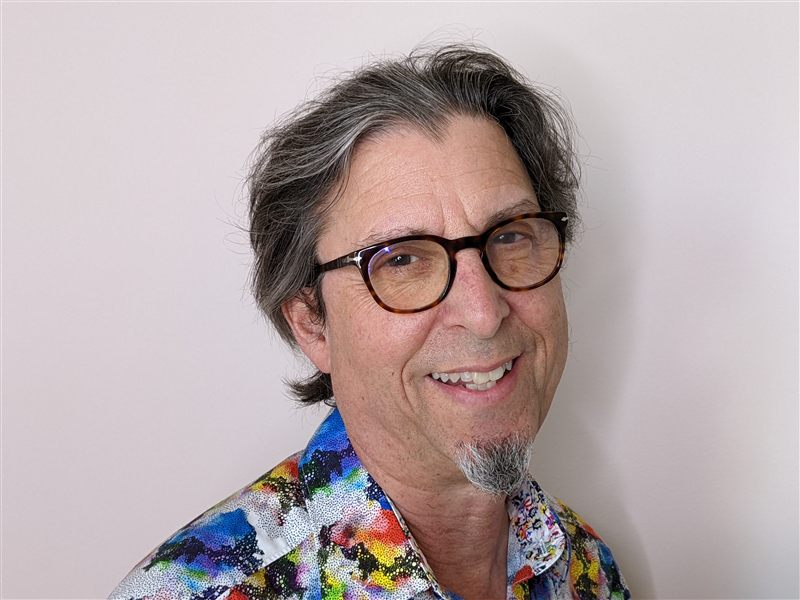
Tom Bellinson

Tom Bellinson

Co-founder

Co-founder of A2Agile and co-author of Wildly Successful! Has spent decades inside software organizations watching what works and what quietly unravels — then writing down the difference.

Patient, systems-oriented, and genuinely fond of the founders he helps. Usually the first to spot the structural problem that everyone else is treating as a people problem.

Based in Ann Arbor. Working everywhere.

Intentional Culture is a practice of A2Agile, which the Toms founded together. Between them, they've worked with startups, Fortune 500 companies, and every awkward size in between. They have seen enough failed transformations to know that practices alone don't stick — and enough good ones to know what does.

If you want the long version, read the book. If you want the short version, take the assessment.

Start where it's most useful.

The assessment is the fastest way to see whether what we do is the thing you actually need. If it isn't, we'll tell you that too.